
Articles
Dive into our latest articles exploring leadership, inclusion, and organisational development.

What are the Key Principles of Inclusive Leadership?
Inclusive leadership is the deliberate practice of designing workplace conditions through systems, behaviours, and decision-making where every person can contribute fully, be heard, and perform at their best. It moves beyond good intentions or compliance-driven initiatives and into the territory of measurable organisational effectiveness.

What is Performance Management?
Performance management is the ongoing process of helping people understand what good work looks like, supporting them to do that work well, reviewing progress, and taking fair action when performance needs to continue, improve, change or be formally addressed.

How do you Practise Inclusive Leadership in the Workplace?
Inclusive leadership is the deliberate practice of designing workplace conditions through systems, behaviours, and decision-making where every person can contribute fully, be heard, and perform at their best. It moves beyond good intentions or compliance-driven initiatives and into the territory of measurable organisational effectiveness.

What Is Inclusive Leadership?
Inclusive leadership is the practice of leading in ways that deliberately account for the diverse experiences, needs, and perspectives within a team or organisation. It is not a personality trait or standalone initiative. It is a way of operating, embedding inclusion into everyday behaviours, systems, and decision-making so that people can contribute fully and organisations can perform sustainably.
At ELIS Advantage, we use the Include-Performance Framework™ to position inclusion as both a core human need and a measurable performance lever, never simply a compliance exercise.

Why Most Reasonable Accommodations Still Miss the Point in Leadership and Workplace Learning
Reasonable accommodations are often treated as a way to help people fit existing workplace systems, rather than questioning whether those systems were designed inclusively in the first place. This article explores how meaningful inclusion moves beyond legal compliance by focusing on outcomes, strengths, participation, and redesigning environments so people can genuinely perform and thrive.

The Best Leadership Books in 2025/2026 Are Becoming More Human
Leadership is shifting away from command-and-control models towards more relational, psychologically informed, and human-centred approaches grounded in trust, communication, and emotional awareness. Leadership in Tune explores this shift through the Conscious Relational Impact (CRI) Model™, offering practical insights for navigating complexity, workplace relationships, and organisational change.

Leadership Content Is Everywhere; But Are We Actually Becoming Better Leaders?
Despite endless access to leadership content, many organisations still struggle with burnout, trust, and disengagement because information alone does not create leadership capability. Leadership in Tune explores a more relational and human-centred approach to leadership through the Conscious Relational Impact (CRI) Model™.

Leadership, Masculinity, and the Cost of Emotional Restraint By Thomas McCormack
An exploration of leadership, masculinity, emotional restraint, and relational leadership in Ireland and the UK. Thomas McCormack reflects on identity, workplace culture, vulnerability, and the hidden pressures many men carry in leadership.

Leadership Communication Is Less About Talking and More About Attunement
Modern leadership communication depends as much on relational awareness and trust as it does on words or presentation skills. Leadership in Tune introduces the CRI Model™ to help leaders navigate communication, conflict, and organisational dynamics through a more human-centred and intentional approach.

How to Improve Emotional Intelligence in Leadership Without More Training
Many leadership books for managers focus on strategy, delegation, productivity, or motivation. While these skills remain important, modern leadership increasingly requires something deeper: the ability to lead relationships, not just processes.

Best Leadership Books for Managers in 2025 & 2026: The Rise of Relational Leadership
Leadership in Tune explores relational leadership through the Conscious Relational Impact (CRI) Model™, positioning leadership as something shaped in the space between people rather than through control alone. The book examines how trust, communication, psychological safety, and human dynamics influence leadership effectiveness, team performance, and organisational culture in increasingly complex workplaces.

Why Most Leadership Books Focus on Control Instead of Connection
Modern leadership increasingly depends on trust, communication, and relational awareness rather than authority or control alone. Leadership in Tune explores how leadership succeeds or fails in the space between people, offering a more human-centred approach to leadership and organisational performance.

Why Emotional Intelligence at Work Does Not Always Improve Performance
Emotional intelligence supports effective leadership when it is applied through clear communication, accountability, feedback, and inclusive practice, not just awareness or empathy alone. The article explores how emotional intelligence becomes most effective when it helps leaders balance people, performance, relationships, and organisational systems together.

Navigating and Reducing Bias: The Workplace Experiences of Black Women and Black Female Leaders
Workplace bias against Black women affects hiring, promotion, and performance in organisations. This article explores intersectional bias, leadership challenges, and how organisations can redesign systems to align inclusion with organisational performance.

White Supremacy Culture in Organisations: Leadership, Systems and Inclusion
In this article we discuss:
White supremacy culture in organisations shapes leadership, decision-making, and definitions of performance
Interlocking systems of oppression including ableism, classism, patriarchy, and capitalism reinforce everyday workplace norms
Common characteristics such as urgency, perfectionism, and individualism directly impact inclusion and organisational effectiveness
Inclusion needs (access, space, opportunity, allowance, representation, language, respect, and support) provide a practical framework for change
Inclusive leadership integrates people, systems, and performance to create more effective and sustainable organisations
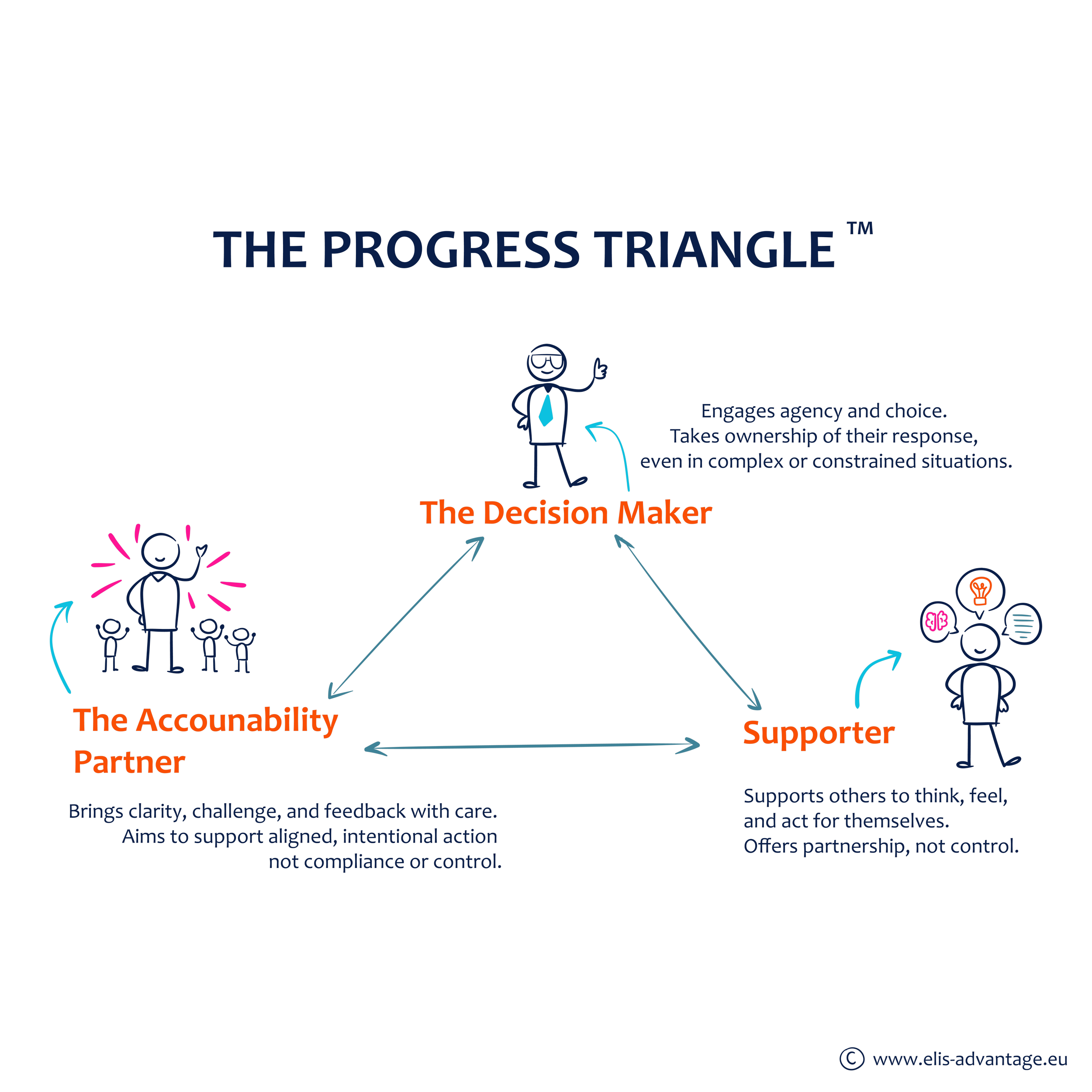
The Progress Triangle
What this article covers:
What the Drama Triangle looks like in workplace settings
Why it impacts leadership, performance, and team dynamics
How the Progress Triangle™ reframes these patterns for organisations
Practical ways to shift how you lead and relate at work

“How do I choose a diversity & inclusion training provider for my organisation?”
This article explores:
Why this is a strategic leadership and organisational effectiveness decision
What to evaluate in a diversity and inclusion training provider
How to assess behavioural and organisational impact
Why inclusion needs to connect with performance, not sit alongside it
How to choose a provider that changes practice, not just awareness
If you are currently reviewing diversity and inclusion training options, this article will help you evaluate what is most likely to create meaningful change in leadership, behaviour, and organisational practice.
Why Empathy is Often Problematic in Leadership
What’s in this article?
when empathy helps leadership and when it starts to reduce effectiveness
the difference between empathy, compassion, empathy fatigue, and compassion fatigue
what too much and too little empathy look like in workplace leadership
what the research says about emotional regulation, boundaries, and perspective-taking
why leaders need to work with both people and performance at the same time

Leadership as Attunement, Not Control
What’s in this article?
why control-based leadership can weaken trust and team culture
what attunement means as a leadership capability
how the CRI Model™ reframes leadership as relational rather than transactional
why intentional connection matters in high-performing teams
how leaders can respond with greater presence, trust and awareness
why stronger leadership impact is created through connection, not control
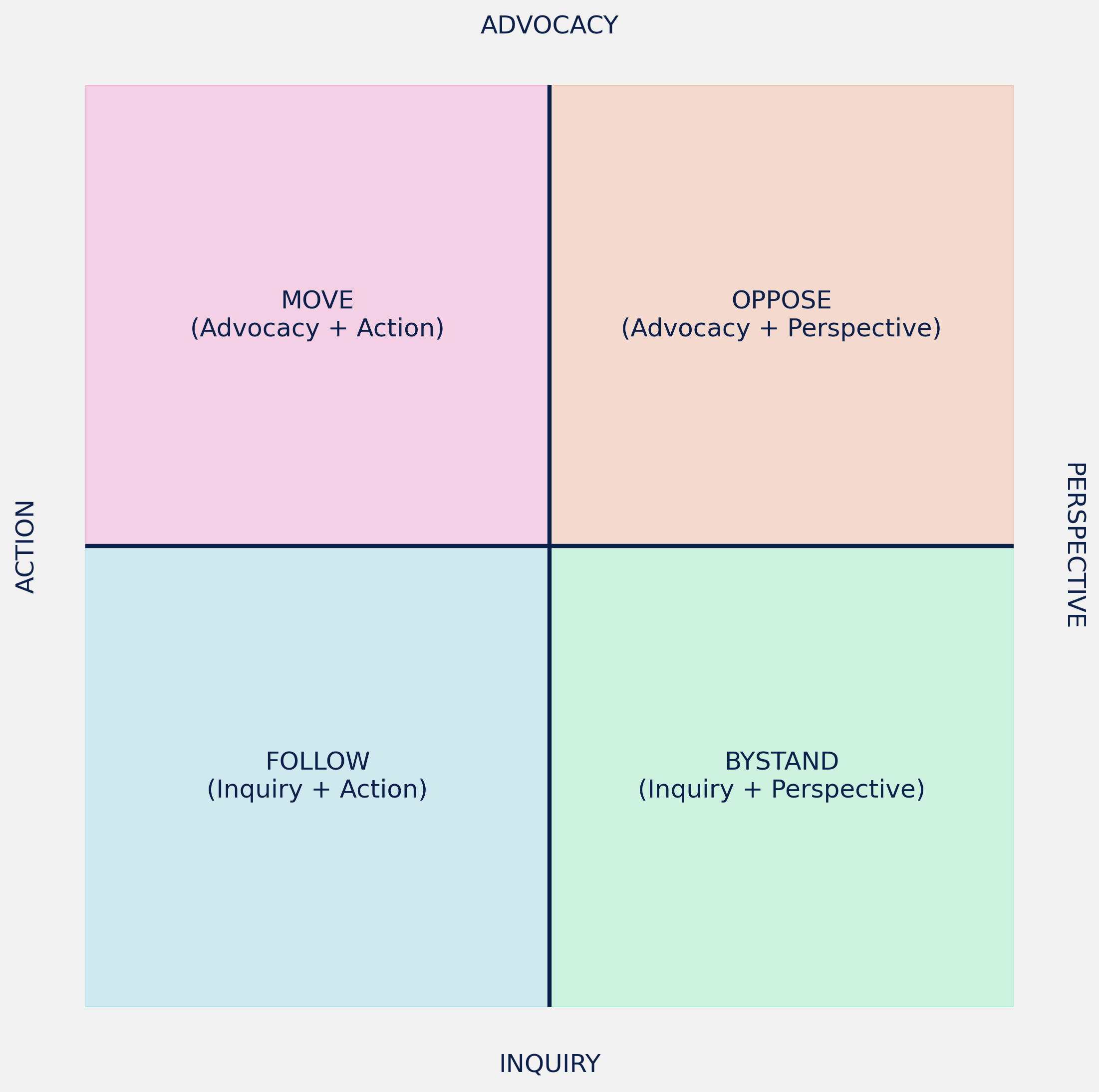
Dialogic Leadership Practices for Navigating Complexity
What’s in this article?
what dialogic leadership means in practice when navigating complexity
why the quality of conversation shapes leadership, inclusion and task performance
how Kantor’s four conversational actions help leaders read and guide group dynamics
why organisations lose effectiveness when certain conversational roles are ignored or over-dominant
how advocacy, inquiry, voicing, listening, respect and suspension support more effective leadership
why taking up role, sharing power and managing boundaries matter in complex systems
how dialogic leadership practices strengthen adaptive performance, inclusive participation and organisational effectiveness
