
Articles
Dive into our latest articles exploring leadership, inclusion, and organisational development.
What Is ELIS Advantage?
We are ELIS Advantage (Effective Leadership & Inclusive Solutions) a leadership development and organisational consultancy that helps organisations achieve high performance through effective leadership and inclusive solutions.
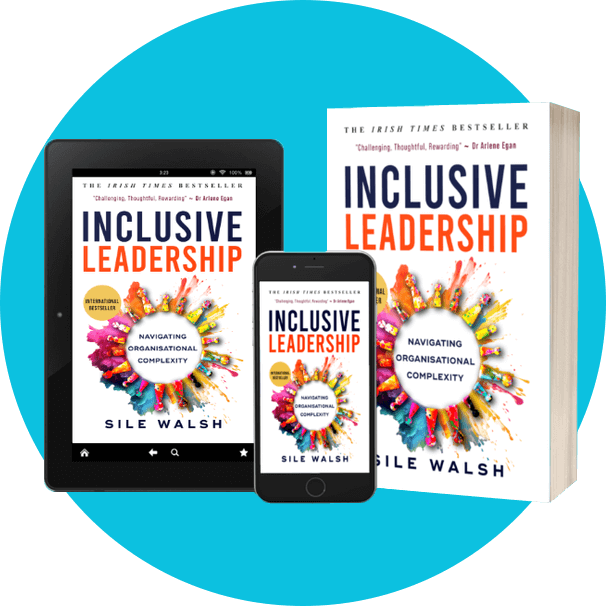
Inclusive Leadership: Navigating Organisational Complexity book review
What does it actually take to lead inclusively, not in theory, but in the messy reality of organisational life? Inclusive Leadership: Navigating Organisational Complexity by Sile Walsh answers that question with uncommon clarity.

The Best books on Inclusive Leadership in 2025 and 2026: What the best ones actually do differently
The best books on inclusive leadership do more than define inclusion or list behaviours to adopt. They examine how leadership, organisational systems, and human psychology interact to either enable or undermine inclusive performance.
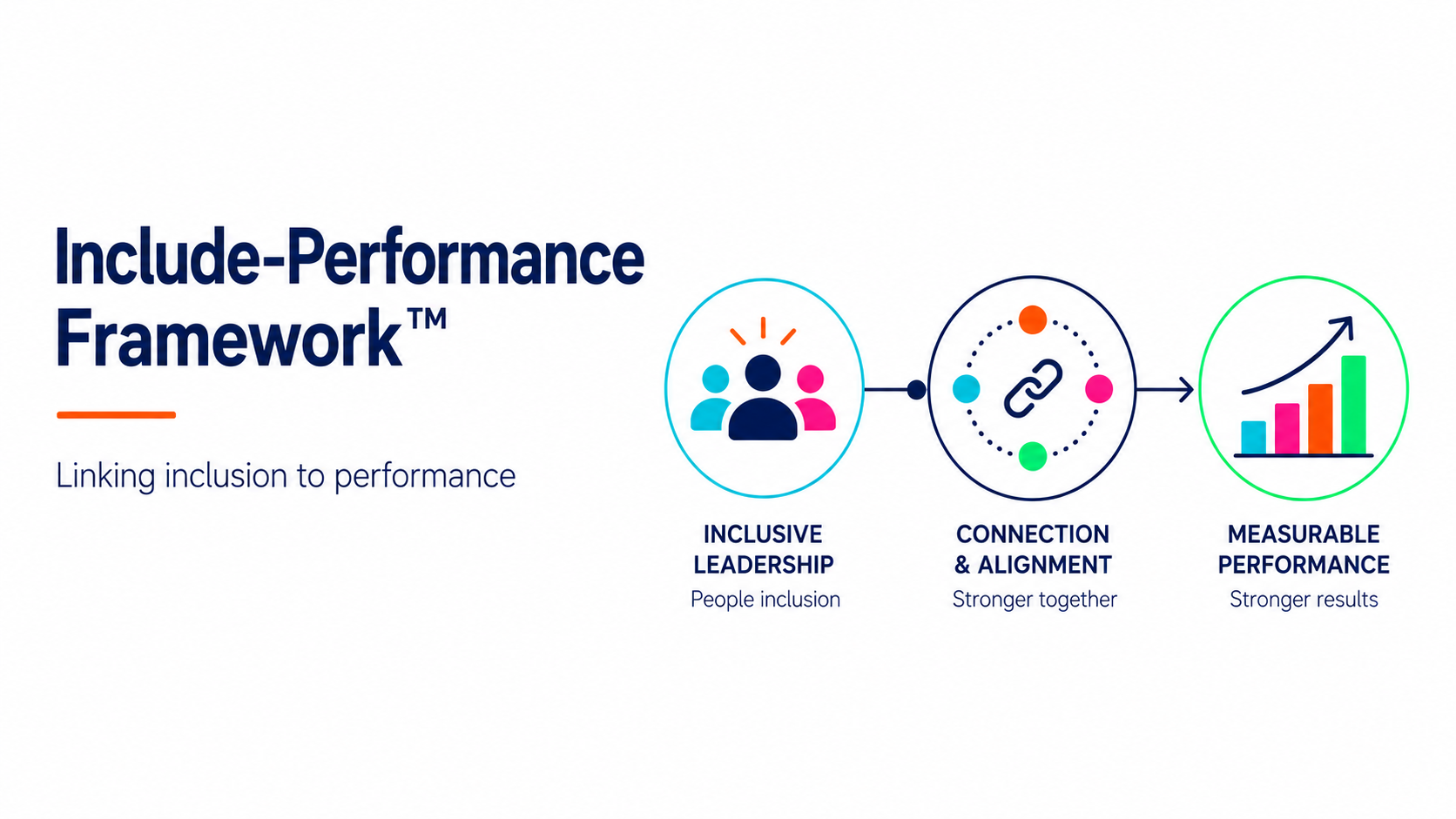
What Is the Include-Performance Framework® ?
The Include-Performance Framework™ is a structured methodology developed by ELIS Advantage that connects inclusive leadership practices directly to measurable business performance outcomes.

How do Leaders create Psychological Safety in Teams?
Leaders create psychological safety by deliberately building cultures where people can speak honestly, challenge ideas, and take interpersonal risks without fear of punishment. This is not about making work comfortable it is about making it possible for teams to perform at their best.

What does Psychological Safety mean in the workplace?
In too many workplaces, people hold back they do not ask the difficult question, flag the emerging risk, or challenge the decision they know is flawed. The reason is rarely a lack of competence; it is a lack of psychological safety.

How Do You Embed Inclusion into Organisational Culture?
Embedding inclusion into organisational culture means moving beyond standalone initiatives and weaving inclusive practices into the systems, behaviours, and decision-making processes that shape how work actually gets done.

What Is the Difference Between Diversity and Inclusion in Leadership?
Diversity describes who is represented within an organisation the range of identities, backgrounds, experiences, and perspectives present across teams and leadership. Inclusion is the deliberate set of leadership behaviours, systems, and cultural conditions that ensure every individual can contribute, perform, and thrive.

How Does Inclusive Leadership Improve Team Performance?
Inclusive leadership improves team performance by creating the conditions where every team member can contribute their thinking, challenge ideas safely, and align their strengths with shared goals. When leaders actively foster belonging, cognitive diversity, and psychological safety, teams make better decisions, collaborate more effectively, and innovate at higher rates.

What are the Key Principles of Inclusive Leadership?
Inclusive leadership is the deliberate practice of designing workplace conditions through systems, behaviours, and decision-making where every person can contribute fully, be heard, and perform at their best. It moves beyond good intentions or compliance-driven initiatives and into the territory of measurable organisational effectiveness.