Articles
Dive into our latest articles exploring leadership, inclusion, and organisational development.

Why Do Coaches Need Supervision?
Coaching supervision is the structured, ongoing process through which practitioners reflect on their work with a trained supervisor to strengthen their practice, protect client outcomes, and sustain their own professional development.
What Is Trauma-Informed Supervision?
Trauma-informed supervision is a structured approach to professional oversight that recognises how trauma both direct and indirect shapes how people think, respond, and perform in the workplace.
How Does Reflective Practice Improve Coaching Effectiveness?
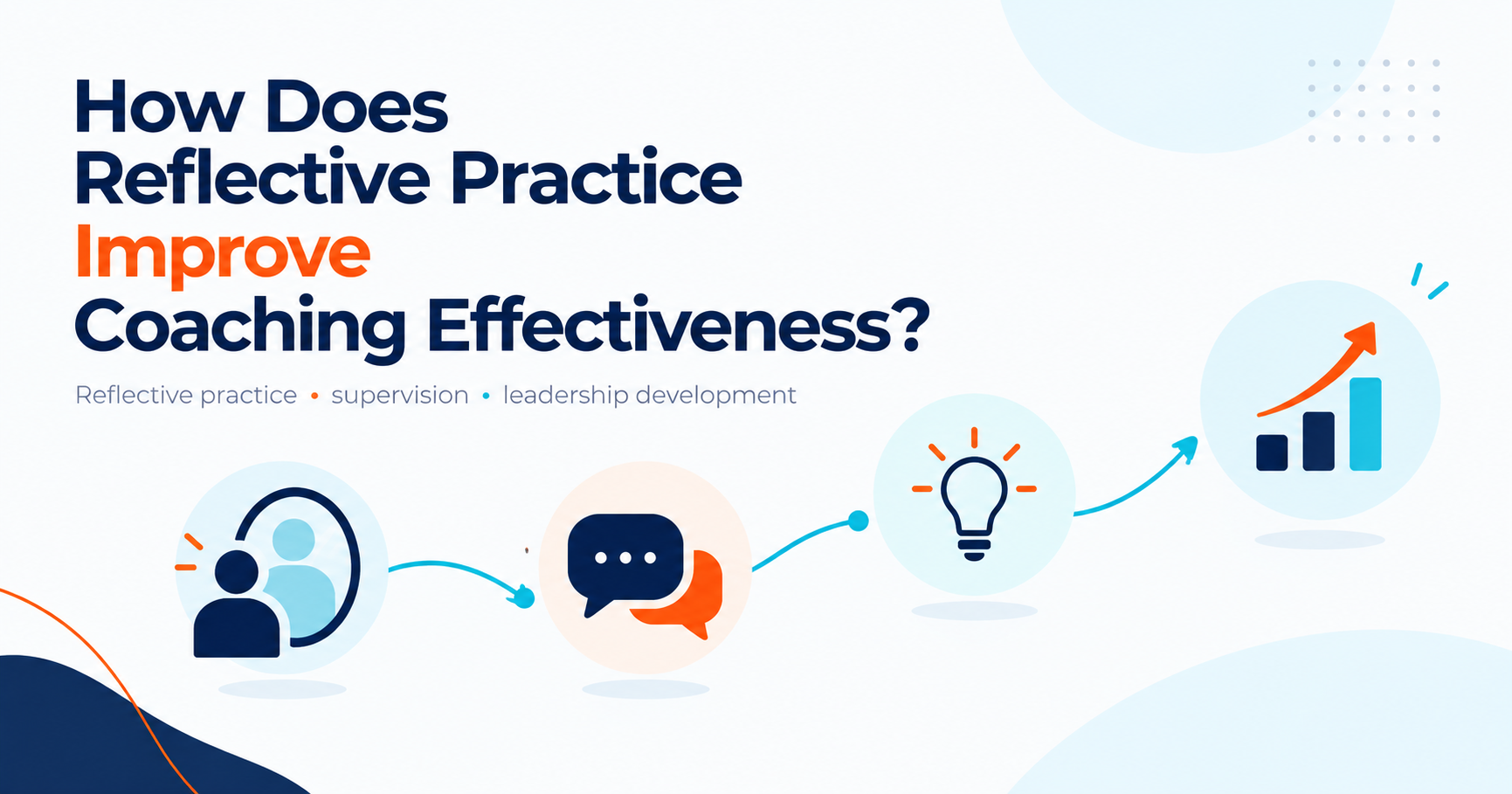
Reflective practice improves coaching effectiveness by creating a structured space for coaches and leaders to examine their assumptions, responses, and decision-making patterns.
Where Can I Find Professional Supervision for Consultants in Ireland?
Professional supervision for consultants in Ireland is available through ELIS Advantage, a Dublin-based leadership and organisational development practice offering structured, year-long supervision programmes designed specifically for coaches, consultants, and community workers.
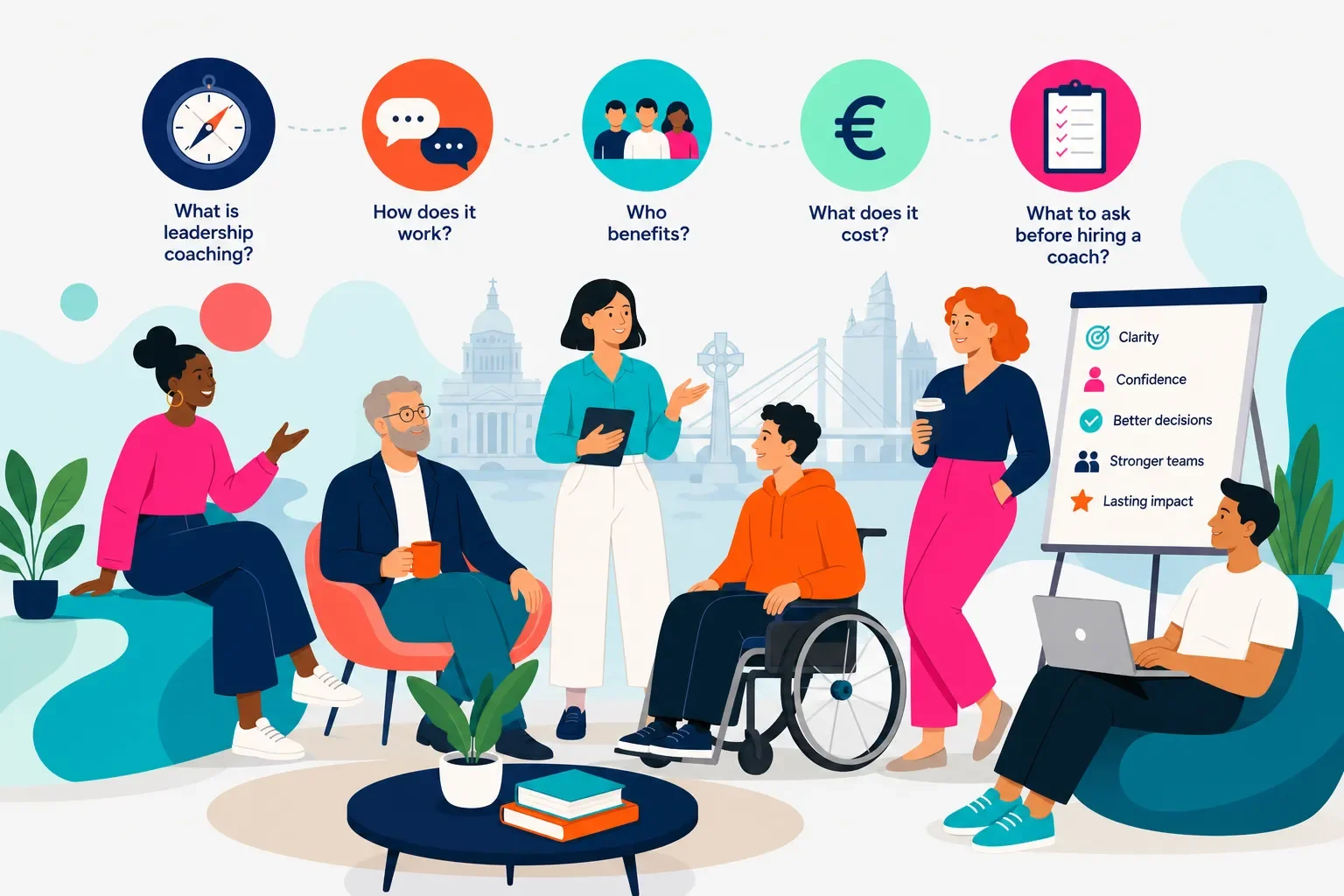
Leadership coaching explained: who it's for and how it works
Most leaders arrive at their first leadership coaching conversation unsure of what coaching actually is. They're not sure what they should bring to it, whether they need to have a problem ready, or whether their organisation arranged it because someone is concerned about them. That uncertainty is more common than people admit, and it's worth naming directly.
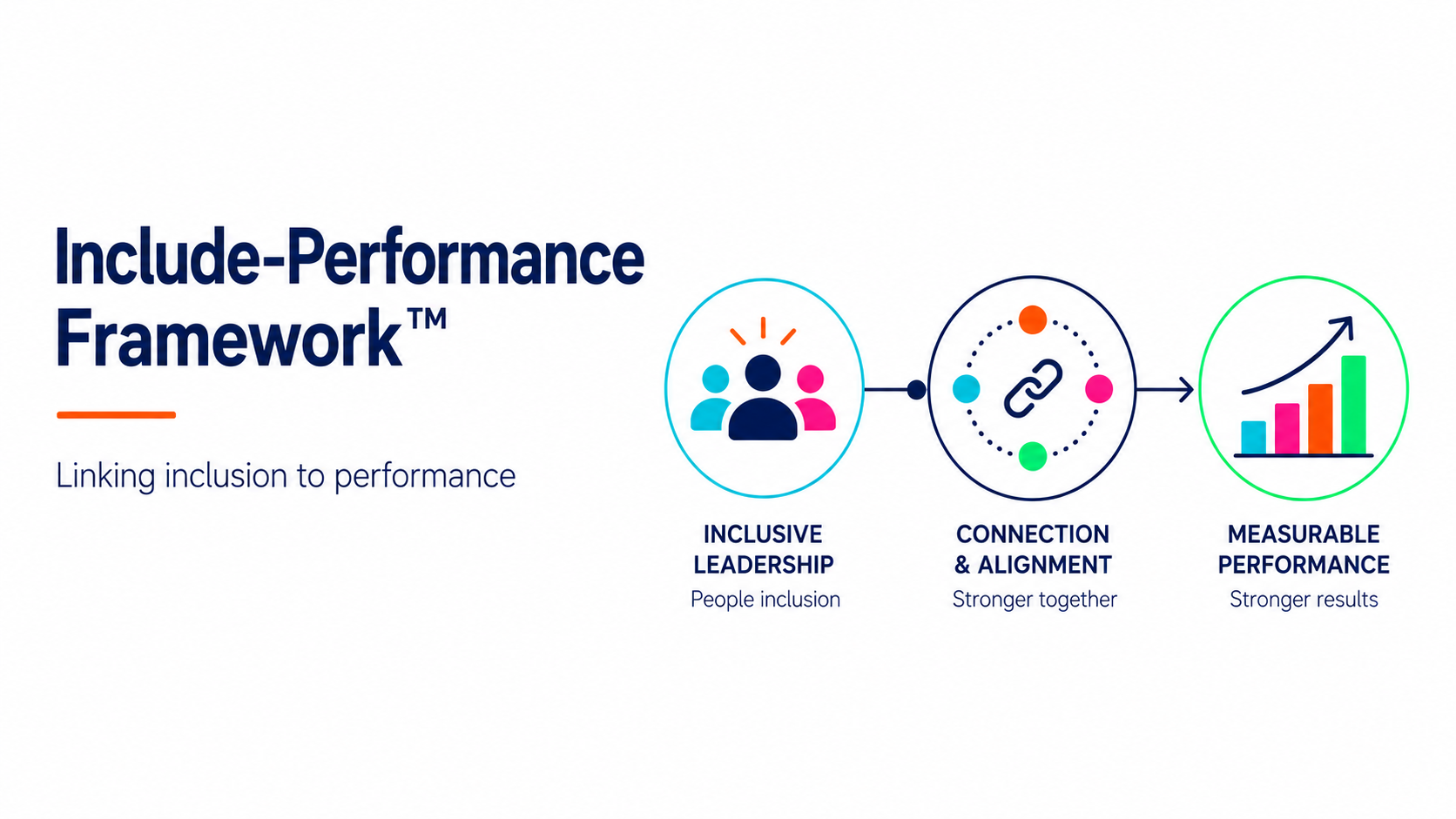
What Is the Include-Performance Framework® ?
The Include-Performance Framework™ is a structured methodology developed by ELIS Advantage that connects inclusive leadership practices directly to measurable business performance outcomes.

What does Psychological Safety mean in the workplace?
In too many workplaces, people hold back they do not ask the difficult question, flag the emerging risk, or challenge the decision they know is flawed. The reason is rarely a lack of competence; it is a lack of psychological safety.

Why Workplace Communication Fails Even When the Message Seems Clear
“I have already explained this.” It is one of the most understandable frustrations leaders experience. You explain what needs to happen. You give feedback, outline the expectations and answer questions. The other person nods, agrees and leaves the conversation.

How to Delegate Effectively: Build Trust, Capability and Team Performance
Delegation often feels inefficient at first. You explain the task, answer questions, review the work and correct misunderstandings. By that point, it can seem easier to do the work yourself.

What are the Key Principles of Inclusive Leadership?
Inclusive leadership is the deliberate practice of designing workplace conditions through systems, behaviours, and decision-making where every person can contribute fully, be heard, and perform at their best. It moves beyond good intentions or compliance-driven initiatives and into the territory of measurable organisational effectiveness.

How do you Practise Inclusive Leadership in the Workplace?
Inclusive leadership is the deliberate practice of designing workplace conditions through systems, behaviours, and decision-making where every person can contribute fully, be heard, and perform at their best. It moves beyond good intentions or compliance-driven initiatives and into the territory of measurable organisational effectiveness.

Why Most Reasonable Accommodations Still Miss the Point in Leadership and Workplace Learning
Reasonable accommodations are often treated as a way to help people fit existing workplace systems, rather than questioning whether those systems were designed inclusively in the first place. This article explores how meaningful inclusion moves beyond legal compliance by focusing on outcomes, strengths, participation, and redesigning environments so people can genuinely perform and thrive.

Leadership Content Is Everywhere; But Are We Actually Becoming Better Leaders?
Despite endless access to leadership content, many organisations still struggle with burnout, trust, and disengagement because information alone does not create leadership capability. Leadership in Tune explores a more relational and human-centred approach to leadership through the Conscious Relational Impact (CRI) Model™.

How to Improve Emotional Intelligence in Leadership Without More Training
Many leadership books for managers focus on strategy, delegation, productivity, or motivation. While these skills remain important, modern leadership increasingly requires something deeper: the ability to lead relationships, not just processes.

Best Leadership Books for Managers in 2025 & 2026: The Rise of Relational Leadership
Leadership in Tune explores relational leadership through the Conscious Relational Impact (CRI) Model™, positioning leadership as something shaped in the space between people rather than through control alone. The book examines how trust, communication, psychological safety, and human dynamics influence leadership effectiveness, team performance, and organisational culture in increasingly complex workplaces.

Why Most Leadership Books Focus on Control Instead of Connection
Modern leadership increasingly depends on trust, communication, and relational awareness rather than authority or control alone. Leadership in Tune explores how leadership succeeds or fails in the space between people, offering a more human-centred approach to leadership and organisational performance.

Why Emotional Intelligence at Work Does Not Always Improve Performance
Emotional intelligence supports effective leadership when it is applied through clear communication, accountability, feedback, and inclusive practice, not just awareness or empathy alone. The article explores how emotional intelligence becomes most effective when it helps leaders balance people, performance, relationships, and organisational systems together.

Leadership as Attunement, Not Control
What’s in this article?
why control-based leadership can weaken trust and team culture
what attunement means as a leadership capability
how the CRI Model™ reframes leadership as relational rather than transactional
why intentional connection matters in high-performing teams
how leaders can respond with greater presence, trust and awareness
why stronger leadership impact is created through connection, not control

From Intuitive Facilitation to Grounded, Credible Practice