Articles
Dive into our latest articles exploring leadership, inclusion, and organisational development.
What Is Trauma-Informed Supervision?
Trauma-informed supervision is a structured approach to professional oversight that recognises how trauma both direct and indirect shapes how people think, respond, and perform in the workplace.
What Is ELIS Advantage?
We are ELIS Advantage (Effective Leadership & Inclusive Solutions) a leadership development and organisational consultancy that helps organisations achieve high performance through effective leadership and inclusive solutions.

How do Leaders create Psychological Safety in Teams?
Leaders create psychological safety by deliberately building cultures where people can speak honestly, challenge ideas, and take interpersonal risks without fear of punishment. This is not about making work comfortable it is about making it possible for teams to perform at their best.

What does Psychological Safety mean in the workplace?
In too many workplaces, people hold back they do not ask the difficult question, flag the emerging risk, or challenge the decision they know is flawed. The reason is rarely a lack of competence; it is a lack of psychological safety.

How Do You Embed Inclusion into Organisational Culture?
Embedding inclusion into organisational culture means moving beyond standalone initiatives and weaving inclusive practices into the systems, behaviours, and decision-making processes that shape how work actually gets done.

Why Workplace Communication Fails Even When the Message Seems Clear
“I have already explained this.” It is one of the most understandable frustrations leaders experience. You explain what needs to happen. You give feedback, outline the expectations and answer questions. The other person nods, agrees and leaves the conversation.

What Is the Difference Between Diversity and Inclusion in Leadership?
Diversity describes who is represented within an organisation the range of identities, backgrounds, experiences, and perspectives present across teams and leadership. Inclusion is the deliberate set of leadership behaviours, systems, and cultural conditions that ensure every individual can contribute, perform, and thrive.

How Does Inclusive Leadership Improve Team Performance?
Inclusive leadership improves team performance by creating the conditions where every team member can contribute their thinking, challenge ideas safely, and align their strengths with shared goals. When leaders actively foster belonging, cognitive diversity, and psychological safety, teams make better decisions, collaborate more effectively, and innovate at higher rates.

How do you Practise Inclusive Leadership in the Workplace?
Inclusive leadership is the deliberate practice of designing workplace conditions through systems, behaviours, and decision-making where every person can contribute fully, be heard, and perform at their best. It moves beyond good intentions or compliance-driven initiatives and into the territory of measurable organisational effectiveness.

The Best Leadership Books in 2025/2026 Are Becoming More Human
Leadership is shifting away from command-and-control models towards more relational, psychologically informed, and human-centred approaches grounded in trust, communication, and emotional awareness. Leadership in Tune explores this shift through the Conscious Relational Impact (CRI) Model™, offering practical insights for navigating complexity, workplace relationships, and organisational change.

Leadership Content Is Everywhere; But Are We Actually Becoming Better Leaders?
Despite endless access to leadership content, many organisations still struggle with burnout, trust, and disengagement because information alone does not create leadership capability. Leadership in Tune explores a more relational and human-centred approach to leadership through the Conscious Relational Impact (CRI) Model™.

Leadership Communication Is Less About Talking and More About Attunement
Modern leadership communication depends as much on relational awareness and trust as it does on words or presentation skills. Leadership in Tune introduces the CRI Model™ to help leaders navigate communication, conflict, and organisational dynamics through a more human-centred and intentional approach.

Why Most Leadership Books Focus on Control Instead of Connection
Modern leadership increasingly depends on trust, communication, and relational awareness rather than authority or control alone. Leadership in Tune explores how leadership succeeds or fails in the space between people, offering a more human-centred approach to leadership and organisational performance.

Safety is Not the Absence of Challenge

Decision Making, Social and Behavioural Influencing at Work: More Persuasive Arguments aren’t Always more Convincing
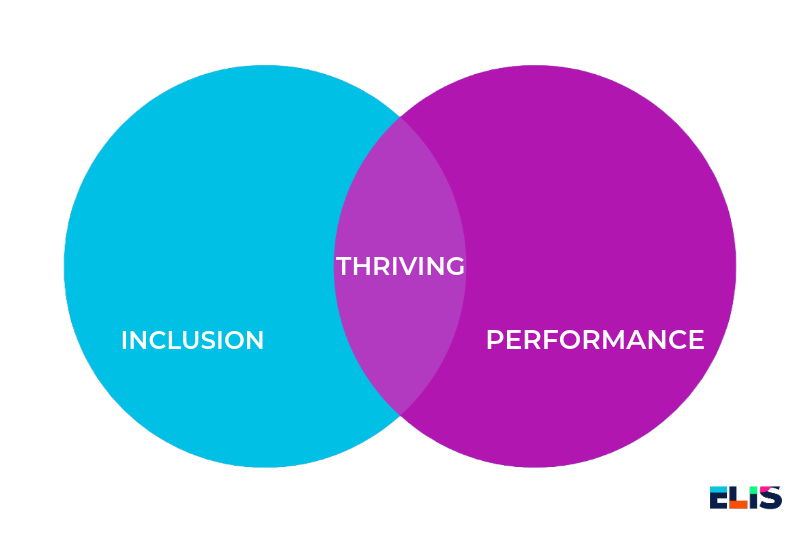
Bridging Care and Results: How Inclusion Powers Performance

Are Your Family Holding You Back? Understanding Enmeshment and Growth

How to Become a Better Leader: 9 Skills That Set Great Leaders Apart