
Articles
Dive into our latest articles exploring leadership, inclusion, and organisational development.

What is organisational development consulting?
Organisational development (OD) consulting is the practice of partnering with organisations to improve how they function as whole systems addressing leadership behaviour, culture, communication, trust, and decision-making so that people and teams can perform sustainably.

What is Professional Supervision for Coaches?
Professional supervision for coaches is a structured, ongoing reflective practice in which a trained supervisor supports a coach to examine their client work, ethical decision-making, personal responses, and professional development.

Why Do Coaches Need Supervision?
Coaching supervision is the structured, ongoing process through which practitioners reflect on their work with a trained supervisor to strengthen their practice, protect client outcomes, and sustain their own professional development.
What Is Trauma-Informed Supervision?
Trauma-informed supervision is a structured approach to professional oversight that recognises how trauma both direct and indirect shapes how people think, respond, and perform in the workplace.
How Does Reflective Practice Improve Coaching Effectiveness?
Reflective practice improves coaching effectiveness by creating a structured space for coaches and leaders to examine their assumptions, responses, and decision-making patterns.

Where Can I Find Professional Supervision for Consultants in Ireland?
Professional supervision for consultants in Ireland is available through ELIS Advantage, a Dublin-based leadership and organisational development practice offering structured, year-long supervision programmes designed specifically for coaches, consultants, and community workers.

Leadership coaching explained: who it's for and how it works
Most leaders arrive at their first leadership coaching conversation unsure of what coaching actually is. They're not sure what they should bring to it, whether they need to have a problem ready, or whether their organisation arranged it because someone is concerned about them. That uncertainty is more common than people admit, and it's worth naming directly.
What Is the Include-Performance Framework® ?
The Include-Performance Framework® supports practitioners and organisations working with inclusion, performance, people and organisational context. Explore its application and the facilitator development programme.
What does Psychological Safety mean in the workplace?
In too many workplaces, people hold back they do not ask the difficult question, flag the emerging risk, or challenge the decision they know is flawed. The reason is rarely a lack of competence; it is a lack of psychological safety.

Why Workplace Communication Fails Even When the Message Seems Clear
“I have already explained this.” It is one of the most understandable frustrations leaders experience. You explain what needs to happen. You give feedback, outline the expectations and answer questions. The other person nods, agrees and leaves the conversation.

How to Delegate Effectively: Build Trust, Capability and Team Performance
Delegation often feels inefficient at first. You explain the task, answer questions, review the work and correct misunderstandings. By that point, it can seem easier to do the work yourself.
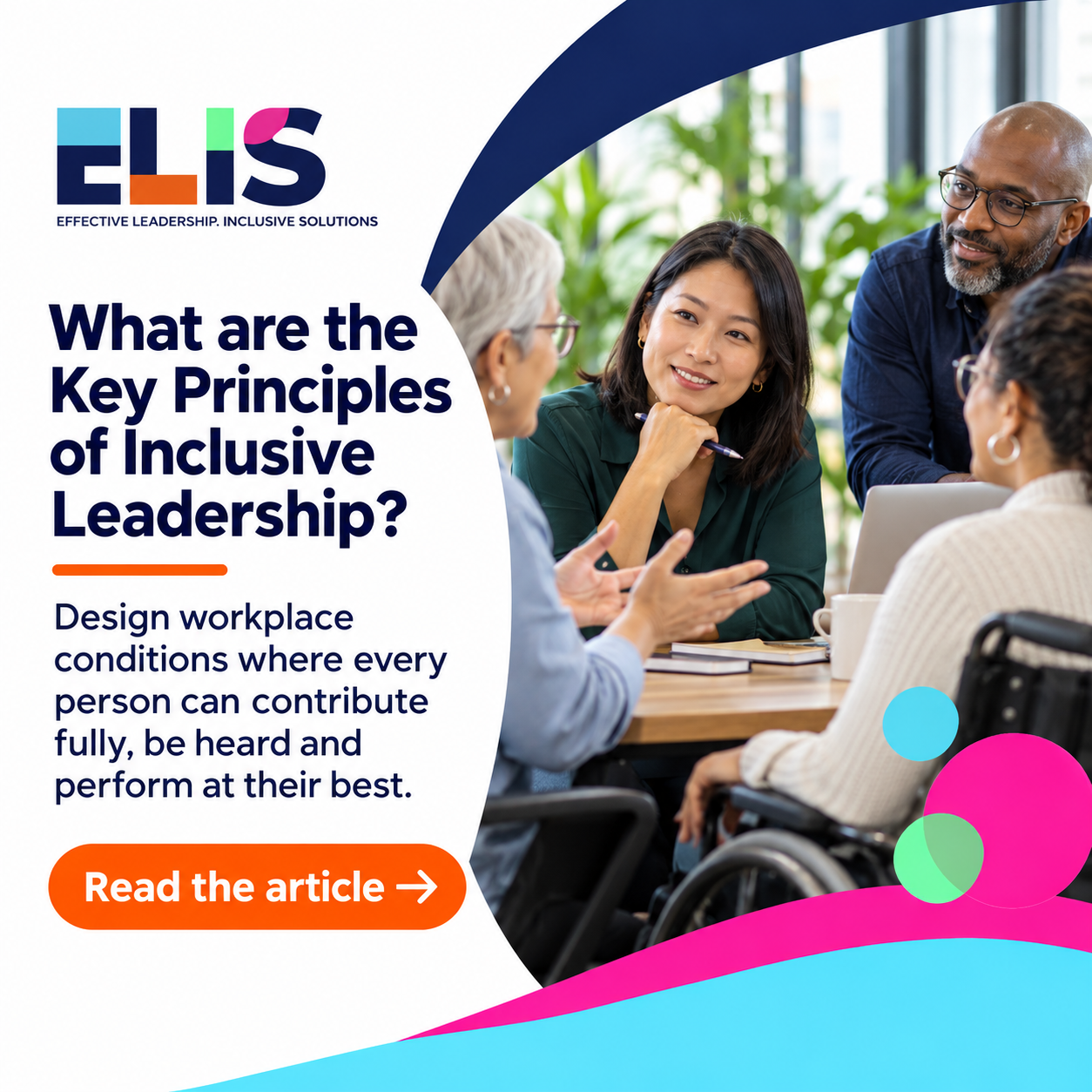
What are the Key Principles of Inclusive Leadership?
Inclusive leadership is the deliberate practice of designing workplace conditions through systems, behaviours, and decision-making where every person can contribute fully, be heard, and perform at their best. It moves beyond good intentions or compliance-driven initiatives and into the territory of measurable organisational effectiveness.
