Articles
Dive into our latest articles exploring leadership, inclusion, and organisational development.

White Supremacy Culture in Organisations: Leadership, Systems and Inclusion
In this article we discuss:
White supremacy culture in organisations shapes leadership, decision-making, and definitions of performance
Interlocking systems of oppression including ableism, classism, patriarchy, and capitalism reinforce everyday workplace norms
Common characteristics such as urgency, perfectionism, and individualism directly impact inclusion and organisational effectiveness
Inclusion needs (access, space, opportunity, allowance, representation, language, respect, and support) provide a practical framework for change
Inclusive leadership integrates people, systems, and performance to create more effective and sustainable organisations
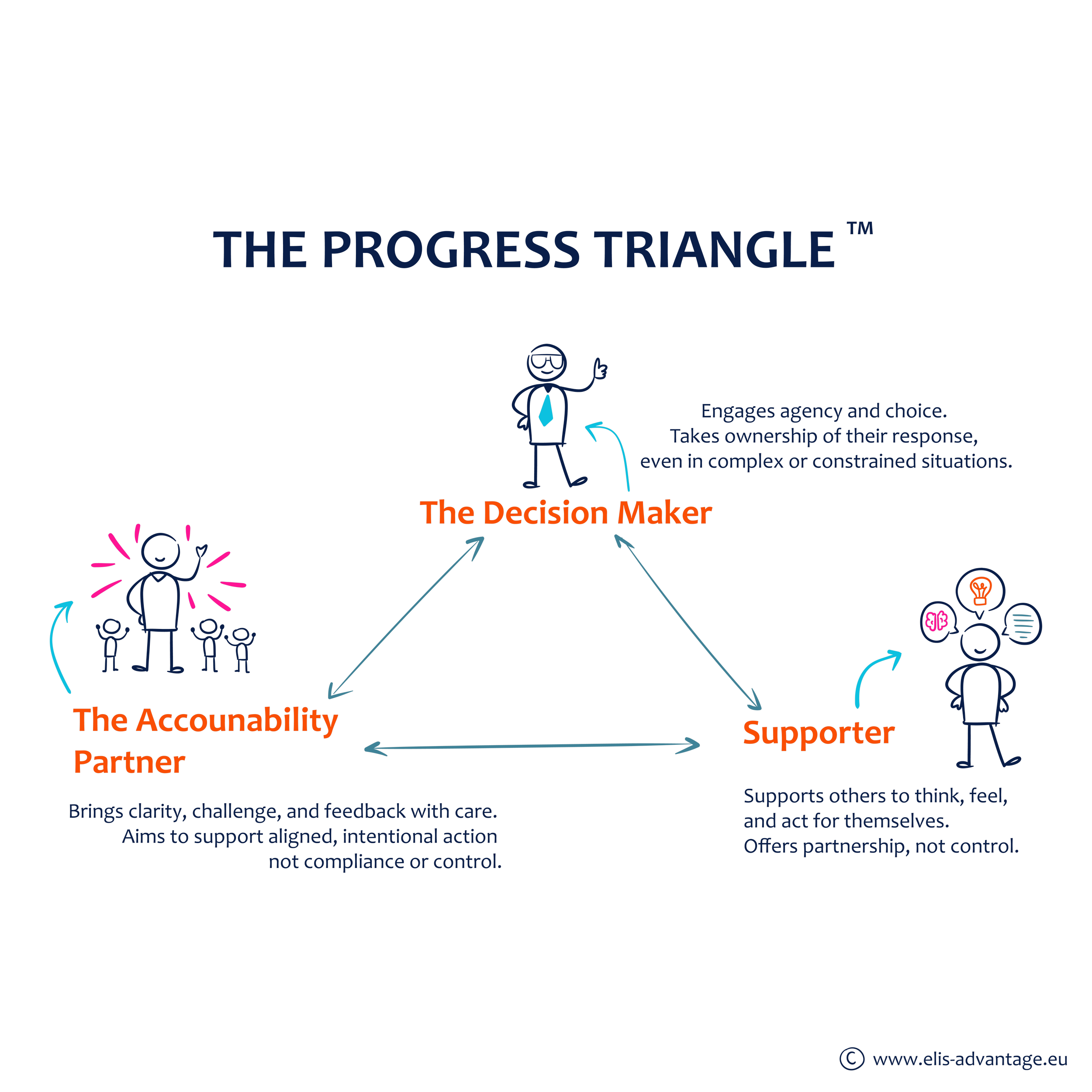
The Progress Triangle
What this article covers:
What the Drama Triangle looks like in workplace settings
Why it impacts leadership, performance, and team dynamics
How the Progress Triangle™ reframes these patterns for organisations
Practical ways to shift how you lead and relate at work

“How do I choose a diversity & inclusion training provider for my organisation?”
This article explores:
Why this is a strategic leadership and organisational effectiveness decision
What to evaluate in a diversity and inclusion training provider
How to assess behavioural and organisational impact
Why inclusion needs to connect with performance, not sit alongside it
How to choose a provider that changes practice, not just awareness
If you are currently reviewing diversity and inclusion training options, this article will help you evaluate what is most likely to create meaningful change in leadership, behaviour, and organisational practice.
Why Empathy is Often Problematic in Leadership
What’s in this article?
when empathy helps leadership and when it starts to reduce effectiveness
the difference between empathy, compassion, empathy fatigue, and compassion fatigue
what too much and too little empathy look like in workplace leadership
what the research says about emotional regulation, boundaries, and perspective-taking
why leaders need to work with both people and performance at the same time

Leadership as Attunement, Not Control
What’s in this article?
why control-based leadership can weaken trust and team culture
what attunement means as a leadership capability
how the CRI Model™ reframes leadership as relational rather than transactional
why intentional connection matters in high-performing teams
how leaders can respond with greater presence, trust and awareness
why stronger leadership impact is created through connection, not control
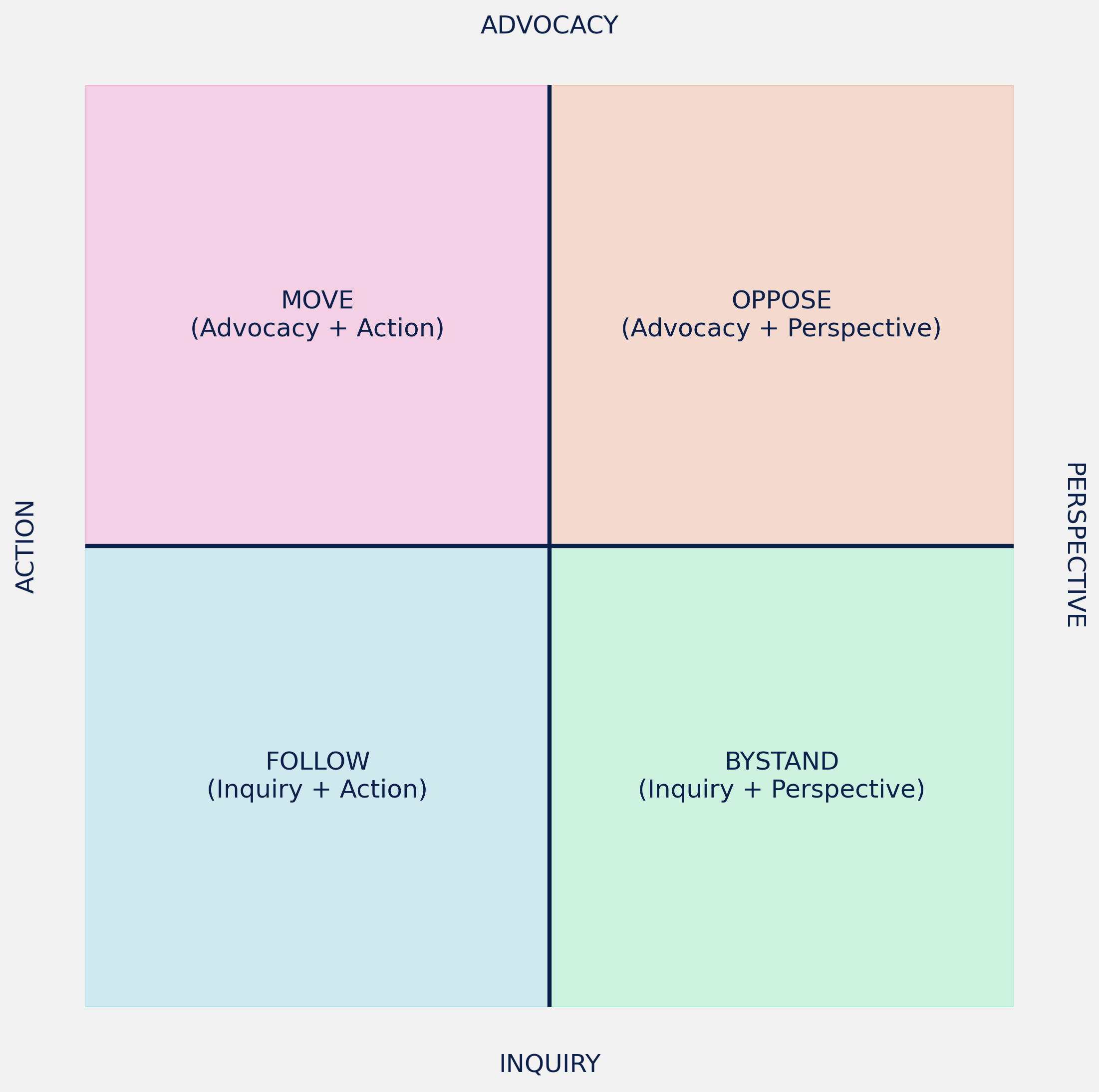
Dialogic Leadership Practices for Navigating Complexity
What’s in this article?
what dialogic leadership means in practice when navigating complexity
why the quality of conversation shapes leadership, inclusion and task performance
how Kantor’s four conversational actions help leaders read and guide group dynamics
why organisations lose effectiveness when certain conversational roles are ignored or over-dominant
how advocacy, inquiry, voicing, listening, respect and suspension support more effective leadership
why taking up role, sharing power and managing boundaries matter in complex systems
how dialogic leadership practices strengthen adaptive performance, inclusive participation and organisational effectiveness

What You are Not Being Told is Often the Work
In groups, teams, and organisations, facilitators are rarely invited in with the full picture. Briefings focus on surface issues. Objectives are stated clearly. Yet beneath this, important information remains unspoken.