
Working with Power Consciously rather than Pretending it isn’t there
In groups, teams, and organisations, power is always present. Sometimes it’s named: role, hierarchy, authority, decision rights. Often it’s not: expertise, confidence, identity, access, who is listened to, who is interrupted, who feels entitled to speak. Whether acknowledged or ignored, power shapes what happens in the room.
For facilitators, trainers, coaches, and leaders, this creates a quiet tension. Many are taught to be neutral, invisible, or hands-off. The intention is usually ethical, not wanting to dominate, influence unduly, or impose views. But power doesn’t disappear when we ignore it. It just becomes harder to work with.
When power is unexamined, it tends to operate by default. Certain voices carry more weight. Others withdraw. Decisions are shaped by hierarchy rather than insight. Compliance replaces commitment.
This isn’t because people deliberately misuse power. It’s because power is already in the room, and pretending otherwise removes our ability to use it responsibly. Many experienced practitioners reach a point where this becomes unavoidable.
You notice the difference between facilitating a community group, a senior leadership team, or a global organisation. The same intervention lands differently. Silence means different things. Authority shifts depending on context. You begin to realise that how you use your influence matters as much as whether you use it at all.
Working with power consciously means:
Noticing where power sits, including your own
Understanding how power shifts across contexts and cultures
Choosing when to step forward, and when to step back
Aligning the use of authority with the purpose of the group, not personal comfort
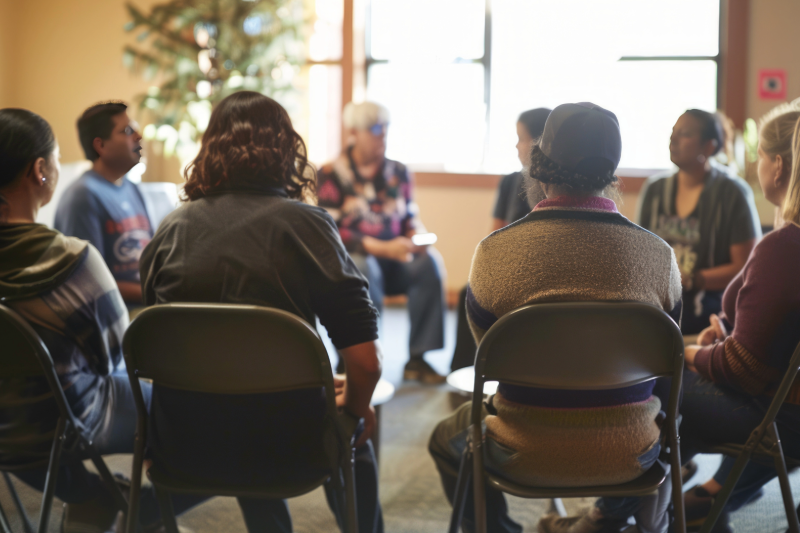
Working with Power Consciously: Where Inclusion and Performance Meet
This is not about controlling outcomes. It’s about creating the conditions for meaningful participation and performance. Avoiding power often looks like neutrality, but neutrality is still a choice. In practice, it can mean allowing existing hierarchies, biases, or dominant narratives to go unchallenged.
Working with power consciously requires something different: Clarity, self-awareness, and ethical intent. Frameworks such as the Include-Performance Framework® are designed to support facilitators and leaders to develop this capability not through scripts or rules, but by strengthening judgment, reflection, and alignment between inclusion and performance.
This becomes particularly important when working across domains. What is appropriate in a community setting may be ineffective or even harmful in a corporate or global context. Conscious use of power allows facilitators and leaders to adapt without losing integrity.
Many people arrive at this work because pretending power isn’t there no longer works. The cost becomes visible in disengagement, resistance, or shallow agreement.
If that resonates, the Include-Performance Framework® Train-the-Facilitator programme offers a structured way to deepen your ability to work with power intentionally, ethically, and in service of the group’s purpose. This is not about becoming more forceful. It’s about becoming more responsible with influence. This is where inclusion and performance meet conscious leadership and facilitation.
Frequently Asked Questions
What do we mean by “working with power consciously”?
It means noticing how power operates within a group through roles, identities, expertise, or authority, and choosing to use influence intentionally and ethically rather than by default.
Isn’t facilitation meant to be neutral?
Facilitation is never power-free. Choosing not to intervene is also an exercise of power. Conscious practice involves being clear about why you intervene or step back.
How does power show up differently across contexts?
Power operates differently in community, corporate, public, and global settings. Conscious facilitation requires adapting to these dynamics while staying aligned with purpose and values.
Can working with power support inclusion?
Yes. When power is acknowledged and used responsibly, it can create space for participation, challenge dominance, and support more equitable outcomes.
Is this about challenging hierarchy?
Not necessarily. It’s about understanding how hierarchy functions and deciding how authority is used in service of learning, performance, and inclusion.
Who is this most relevant for?
Facilitators, trainers, coaches, and leaders working in complex environments where influence, accountability, and difference intersect.
